
Christian Louboutin once famously described high heels as finding “pleasure in pain” — but fashion advice should never replace guidance from a medical professional.
💫 Jump to a Section:
- 1. Posture & Spine: How High Heels Change Natural Alignment
- 2. Back Pain Explained: The Impact of Shifted Balance
- 3. Knee Strain & Arthritis: The Long-Term Wear-and-Tear Effect
- 4. Bunions, Hammertoes & Nerve Pain: When Fit Works Against You
- 5. Toenail Damage & Ingrowns: Friction, Pressure & Pointed Toes
- 6. Hip Strain & Pelvic Alignment: Hidden Effects of Heel Height
- 7. How to Wear Heels More Comfortably: Smart Styling & Prevention Tips
You don’t have to wear high heels daily to start feeling the consequences. There are serious health risks to consider when wearing high heels, especially if they are a staple in your everyday wardrobe.
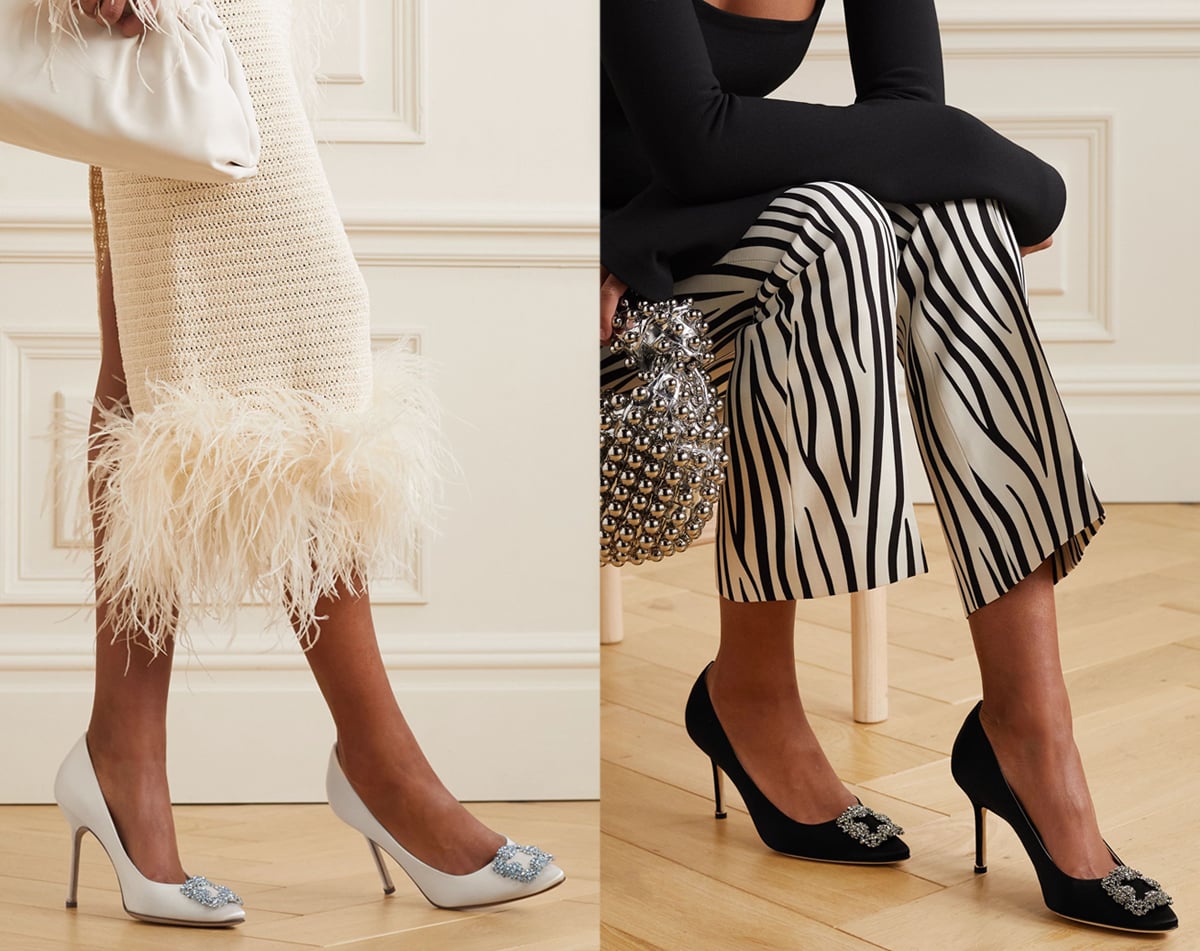 While high heels can make you look attractive, they can also be harmful to your feet and health
Wearing high heels can lead to everything from bad posture to chronic back pain and knee issues. You can take steps to make wearing high heels more comfortable, but even a few minutes in them can cause injury.
6 Serious Health Risks of Wearing High Heels Daily
Incorporating high heels into your regular wardrobe can lead to health risks.
Mayo Clinic orthopedic surgeon, Dr. Glenn Shi, advises that shoes that are too tight, too small, or lack support can cause discomfort and problems. Opting for style over fit can lead to foot issues, including aching arches, bunions, hammertoes, or neuromas.
Those who regularly wear high heels may experience Achilles tendon issues, shortened calf muscles, and ankle problems. The health risks stem from the way high heels shift your center of gravity.
Wearing high heels negatively affects your hips, knees, and back. You’ll especially feel the consequences of your high heels if you have existing problems or are a runner. High heels can cause arch pain, reducing your flexibility and stamina.
1. Disruption of Natural Spinal Alignment and Posture
One of the main health risks of wearing high heels is the consequences for your posture. High heels put your feet in a downward, extended position, increasing the pressure on the balls of your feet. This causes your body to adjust to compensate for the balance shift.
Your upper body is doing the work to offset your lower body’s forward lean. This shift forces your posture out of its natural alignment, leading to stiffness and an unnatural feel in your back and shoulders. Posture issues can lead to additional health problems over time.
 While wearing high heels can make your legs appear longer, they can have long-term implications on your posture (Credit: Dmitry Tkachuk / Shutterstock)
The impact on your posture increases as your heels get higher. Every inch increases the pressure on the front of your feet by 25%. This means you’ll experience 75% more pressure than normal when wearing three-inch heels.
Even people who wear high heels every day will still experience these problems and see them manifest more severely, as it creates a bad curvature in their lower back.
2. How Shifted Centers of Gravity Trigger Chronic Back Pain
Chronic back pain is one of the most common health risks associated with wearing high heels.
The c-curve shape your back naturally assumes acts as a shock absorber, limiting the load on your pelvis and vertebrae. Wearing high heels negatively affects this curve by flattening the lower back while curving the mid-back.
 Wearing high heels can affect the natural curve of the spine, which can result in chronic back pain (Credit: Andrey_Popov / Shutterstock)
When the c-curve of your back begins to change, your body will compensate by leaning forward to relieve pressure on your back. Poor alignment caused by wearing high heels overuses your back muscles and can lead to chronic back pain.
3. Increased Risk of “Wear-and-Tear” Knee Arthritis
Knee injuries caused by wearing high heels fall into the category known as ‘wear-and-tear arthritis. Wearing high heels increases the distance of your knee from the floor, causing compression and excessive knee rotation.
 High heels cause strain on the shin muscles and feet, which could lead to knee pain (Credit: antoniodiaz / Shutterstock)
You’ll feel the effects of wearing high heels on your shin bone as it turns inward to maintain your balance. It leads to compression of the knee joint, a common site for osteoarthritis.
Doctors typically recommend that people with osteoarthritis avoid wearing high heels to prevent further joint damage or malformation.
According to orthopedic surgeon Carol Frey, MD, wearing shoes with pointed toes can cause foot deformities, such as hammertoes and pinched nerves, even if the heels are low. Dr. Frey explains that feet can take on the shape of the shoe, and if a shoe is causing discomfort, it’s damaging your foot. To avoid foot problems, experts recommend wearing low-heeled shoes with rubber soles, wedge heels, and roomy toe boxes, as these styles are slip-resistant, absorb shock, provide stability, and reduce stress on pressure points.
4. Aggravating Bunions, Hammertoes, and Nerve Issues
High heels aren’t for everyone. If you have pre-existing concerns like ingrown toenails, bunions, or hammer toes, you’ll want to limit the time you spend wearing high heels.
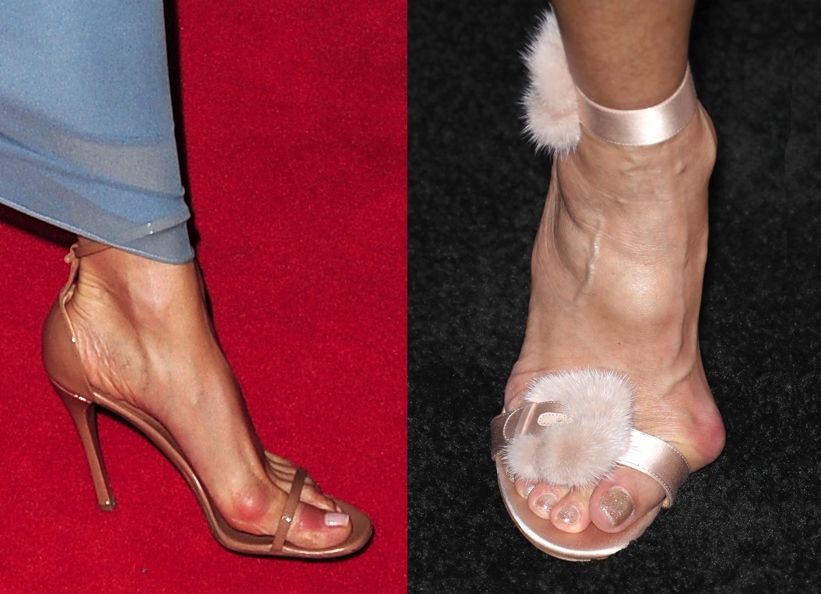 High heels are known for putting the majority of the pressure on the balls of your feet and toes, causing structural concerns like bunions as seen on the feet of Jennifer Aniston (L) and Danielle Staub (R) (Credit: Nick Sadler / John Nacion / startraksphoto)
Bunions are a common consequence of wearing high heels, and they can be exacerbated by continued use.
As a result, they can become larger and more painful more quickly. You can avoid making these problems worse by swapping your high heels for comfortable flats.
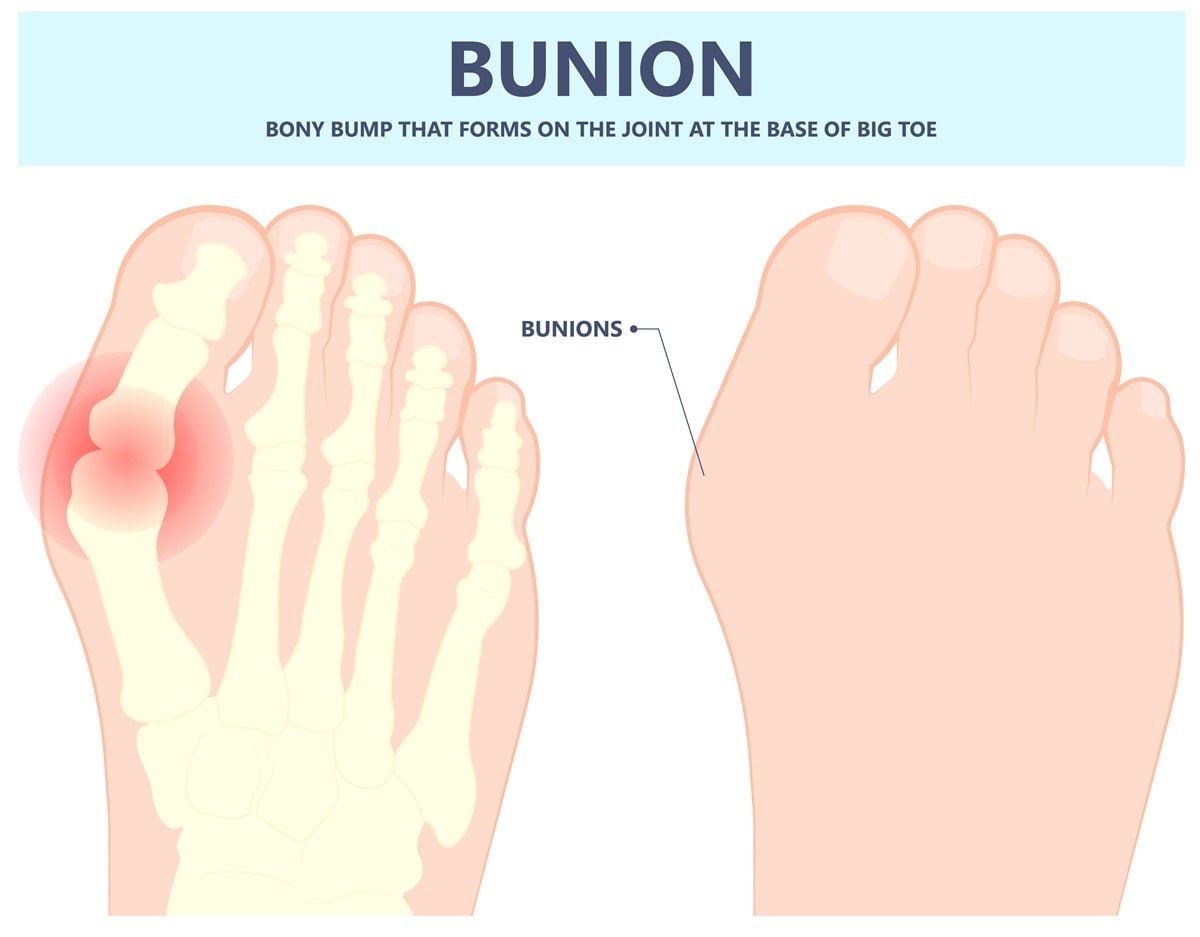 A bunion is a painful bony bump that forms on the inside of the foot around the joint of your big toe (Credit: Pepermpron / Shutterstock)
5. Toenail Trauma: Friction, Ingrowns, and Discoloration
Not only can wearing heels negatively affect your feet and back, but your toenails are also at risk.
To maintain a perfect pedicure, avoid high heels. They can leave your toenails looking damaged or discolored due to repetitive friction caused by wearing high heels.
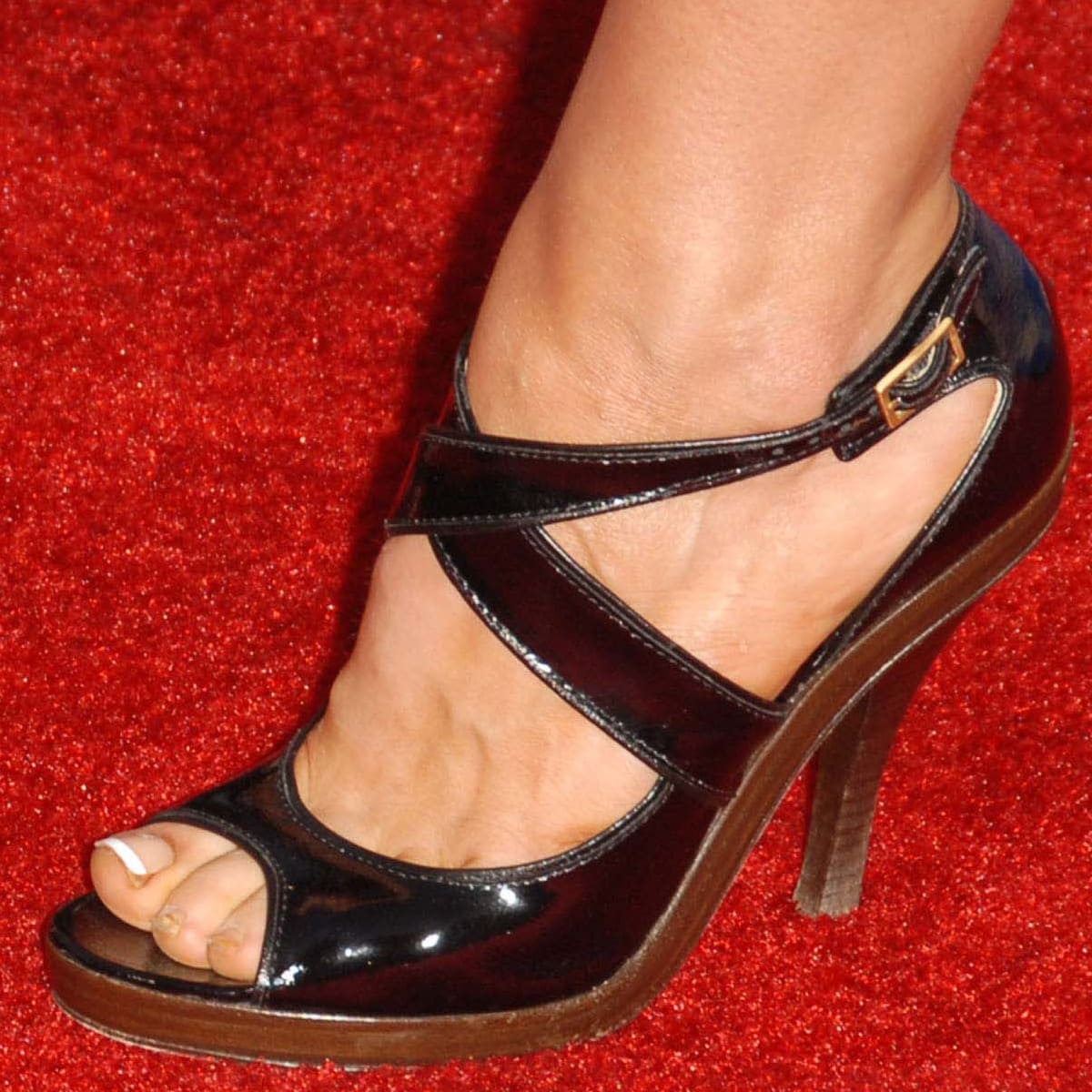 Wearing high heels can affect the appearance of your nails and cause ingrown toenails (Credit: Devan / INFGoff)
Your high heels can change how your nails look and grow. Wearing high heels in your everyday wardrobe can cause ingrown toenails, especially if you prefer pointy-toe shoes.
6. Hip Flexor Strain and Pelvic Misalignment
You’ll also feel the consequences of wearing high heels on your hips. The constant flexing and engaging of your hip flexor muscles can cause them to shorten and contract, leading to persistent pain.
High heels cause your pelvis to tilt forward as your center of gravity shifts.
 Wearing heels can cause the hip flexor muscles to engage and flex on a regular basis, resulting in hip pain and injury (Credit: 9nong / Shutterstock)
Muscle imbalances elsewhere in your legs, such as at your knees, can also exacerbate hip pain from wearing high heels. These shoes will push your lower back outward, causing your spine and hips to move out of alignment.
How to Protect Your Feet: 4 Tips to Prevent High Heel Injuries
You may continue to wear high heels, but you must consider the associated health risks. You can take active steps to make wearing heels more comfortable and mitigate negative consequences.
Here are four tips to reduce the risk of injury and damage from wearing heels:
1. Incorporate exercises that are low impact on your joints into your routine, such as swimming and using elliptical machines.
 Incorporate low-impact exercises into your daily routine (Credit: APChanel / Shutterstock)
2. Stretch your Achilles tendon twice daily for 15 minutes before and after wearing your heels. This exercise is crucial for those who wear heels as part of their everyday style.
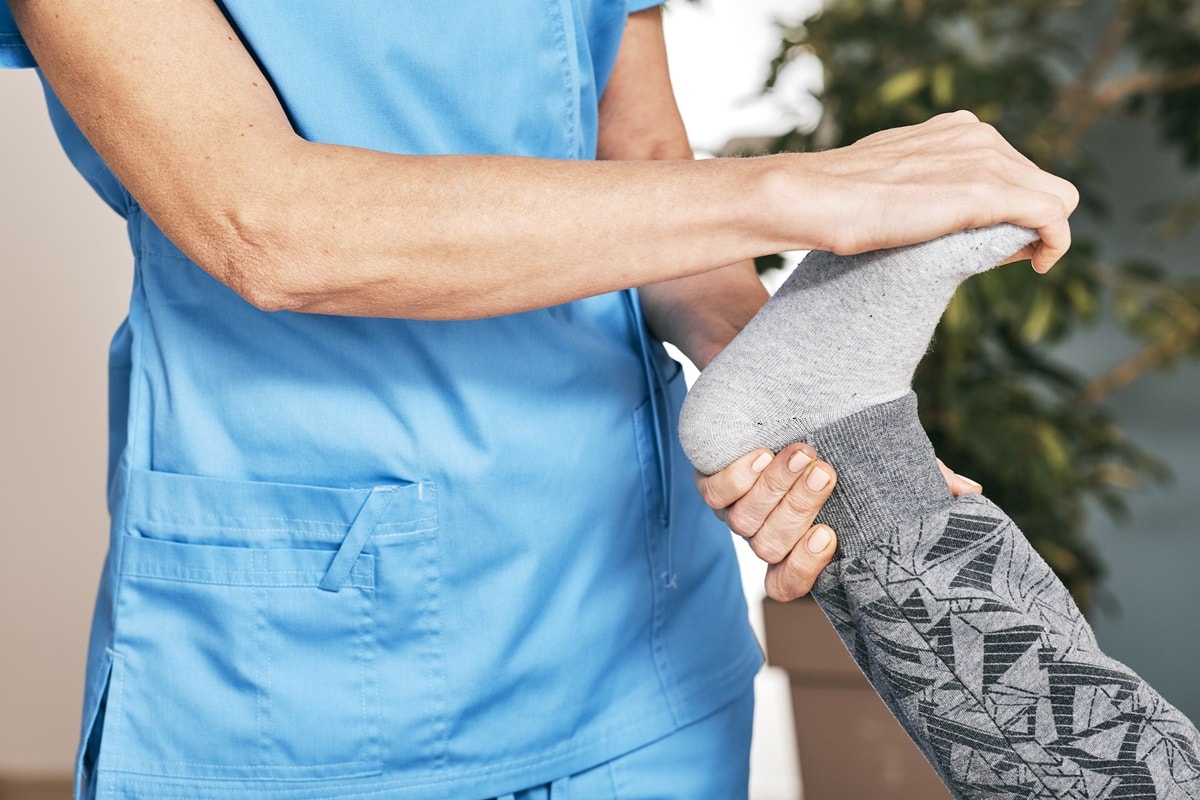 Stretching the Achilles tendon can help in the recovery of tendon damage as it relaxes the heel cord and enhances mobility (Credit: Peakstock / Shutterstock)
3. Keep your heel wearing to a minimum. If you wear heels for work, switch to flats or sneakers when you’re off the clock.
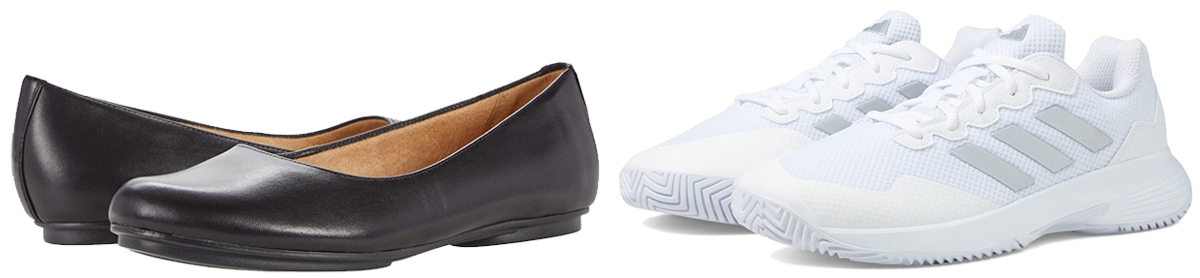 Switch out to comfy flats or sneakers when you’re off the clock to reduce the health risks of wearing heels
4. Switch to a shorter heel. Don’t forget that every inch adds 25% extra pressure on the balls of your feet. Try to keep your heels to a maximum of 3 inches.
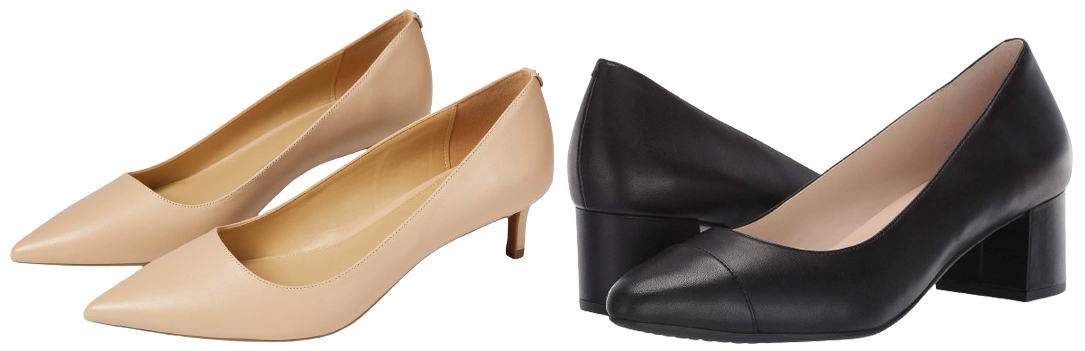 Wear kitten heels or short block heels to reduce pressure on the balls of your feet
Explore More Heel Styles, Celebrity Shoe Moments & Footwear Guides
Now that you understand how high heels can affect posture, joints, and long-term foot health, explore how celebrities style their heels, choose supportive designs, and balance fashion with function on red carpets and in everyday wear.
👠 Related Shoe & Fashion Stories on Your Next Shoes:
- ✨ Bella Hadid’s Boldest Cannes Looks & Best Shoe Moments — A fashion-forward showcase of runway-ready heels and red-carpet footwear highlights from one of the world’s most photographed style icons.
- 👠 Serena Williams Stuns in Sculptural Gaurav Gupta & Red Heels — A striking red-carpet appearance pairing a dramatic couture gown with powerful statement heels.
- 👡 20 Types of Women’s Shoes Every Closet Needs — A comprehensive guide to essential shoe styles, from classic heels to everyday flats and sneakers.
- 👢 Cat Deeley’s Height, Shoe Size & Best High-Heel Moments — A closer look at the presenter’s most memorable heel choices and elevated fashion moments.
- 👠 Taylor Swift’s Height-Boosting Heels & Iconic Shoe Style — How carefully chosen heels have played a role in defining Taylor Swift’s evolving fashion eras.
- ✨ Bella Thorne in Louboutin & Casadei Heels — An archival red-carpet moment highlighting bold silhouettes and statement designer footwear.